Nuroe School is a digital training programme for working memory and attention. Randomised controlled studies by independent researchers show strong benefits for learning.
Nuroe School gives local authorities, academy trusts and other school groups a shared approach to working memory and attention training — delivered to whole classes.
Nuroe School — in students’ and teachers’ own words.
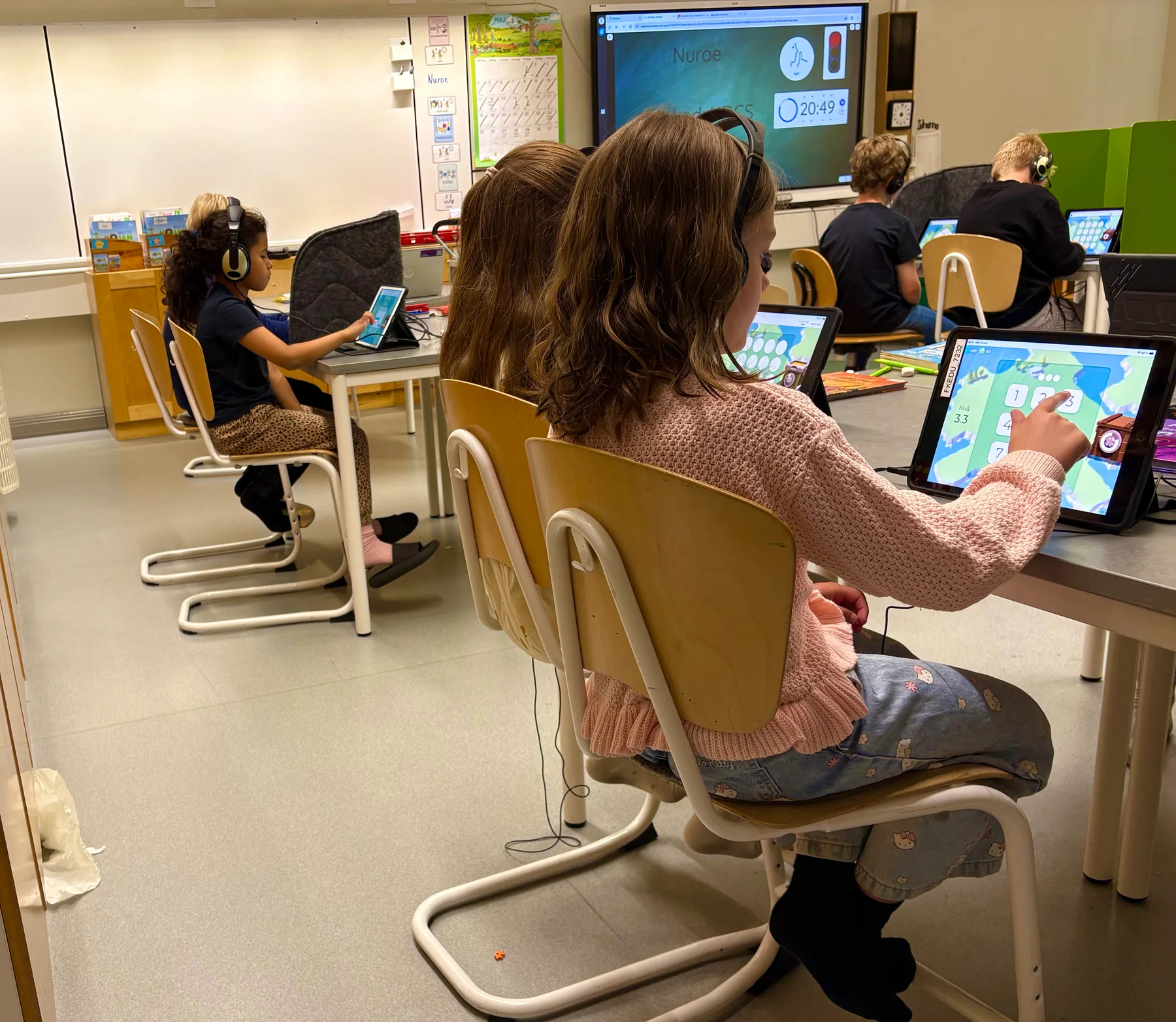
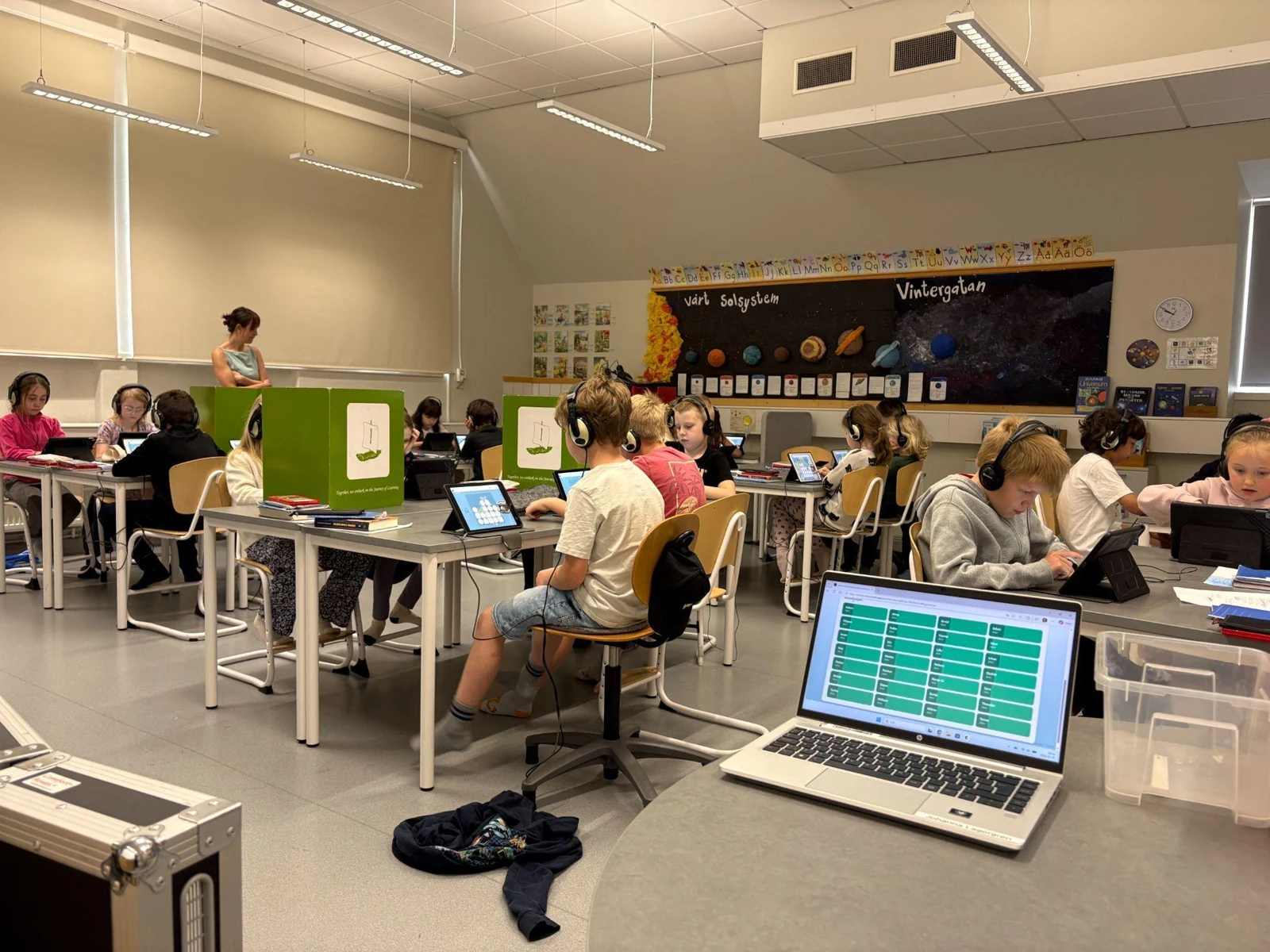
Making time for working memory and attention training. Students and teachers at Eriksskolan, Sweden, share how Nuroe School has become part of their school day.
Nuroe School has been tested in several scientific studies. Here, we highlight findings from a randomised controlled study of 572 students that compared the training with regular teacher-led lessons.
Three studies report gains in maths — from better arithmetic during training to higher geometry scores a year later. The effect sizes use different calculations.
The original PISA scale uses 100 points per standard deviation (SD). The OECD’s benchmark is approximately 20 points for one year of learning. This comparison puts the scale in context; it does not mean the training produced 40 PISA points or two additional years of schooling.
More working memory training, greater gains in maths — a study of 17,648 students.
More working memory training. Greater gains in maths.
17,648 students aged 6–8 practised maths alongside Nuroe exercises for seven weeks. The graph shows a linear relationship: more time on Nuroe exercises was associated with greater gains in maths.
The teacher starts a session and shares a code. Students join straight from their browser.
02
Train for 20 minutes
Students work through the exercises independently. A session takes around 20 minutes.
03
See the whole class
Teachers can see who’s taking part and how the training is going, all in real time.
Easy to fit into the school day — for the whole class
Easy to get started
Use your school’s existing technology. No new infrastructure needed.
Computer or tablet
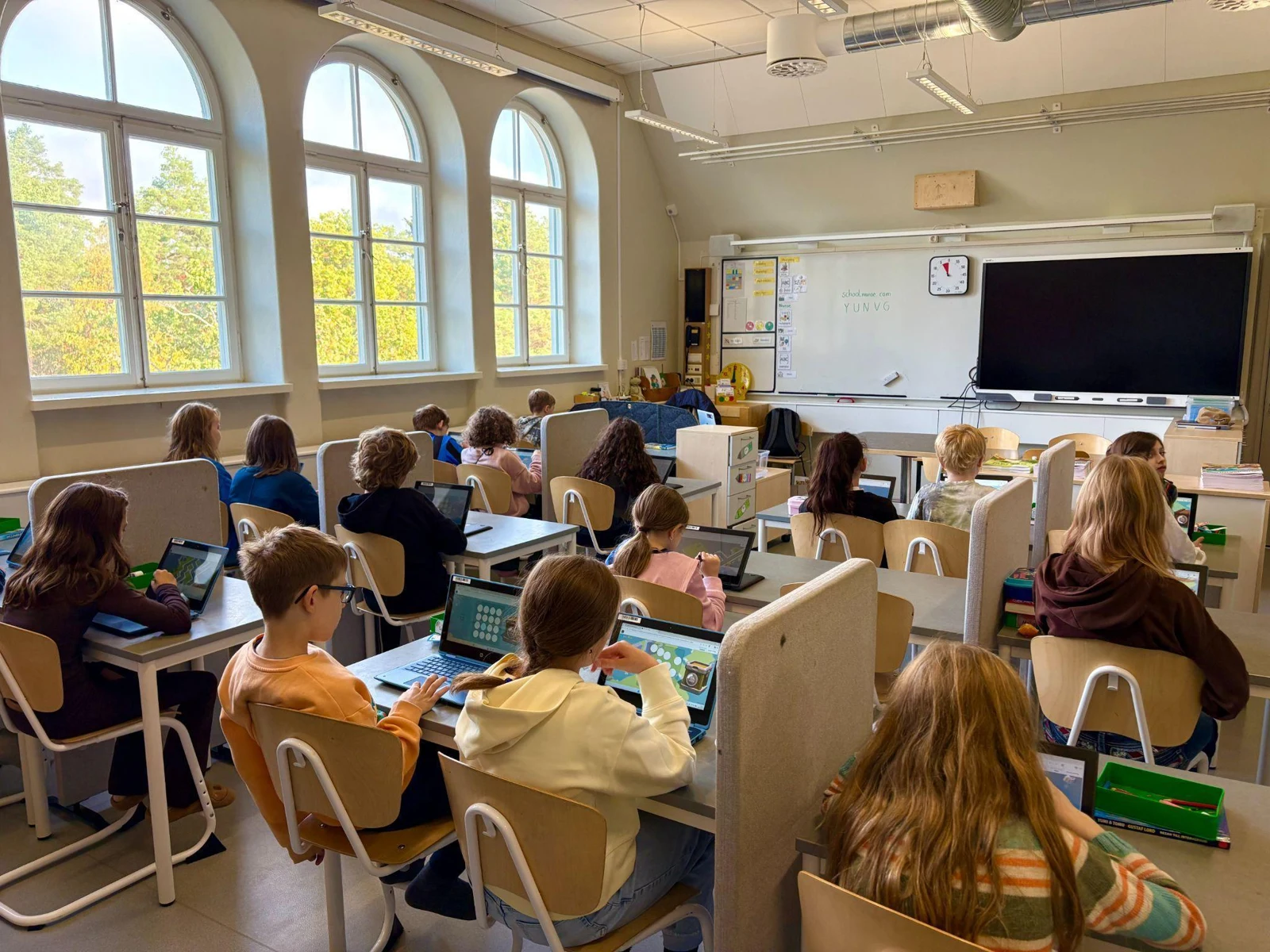
Students train in their browser, on a computer or tablet.
The right level for everyone
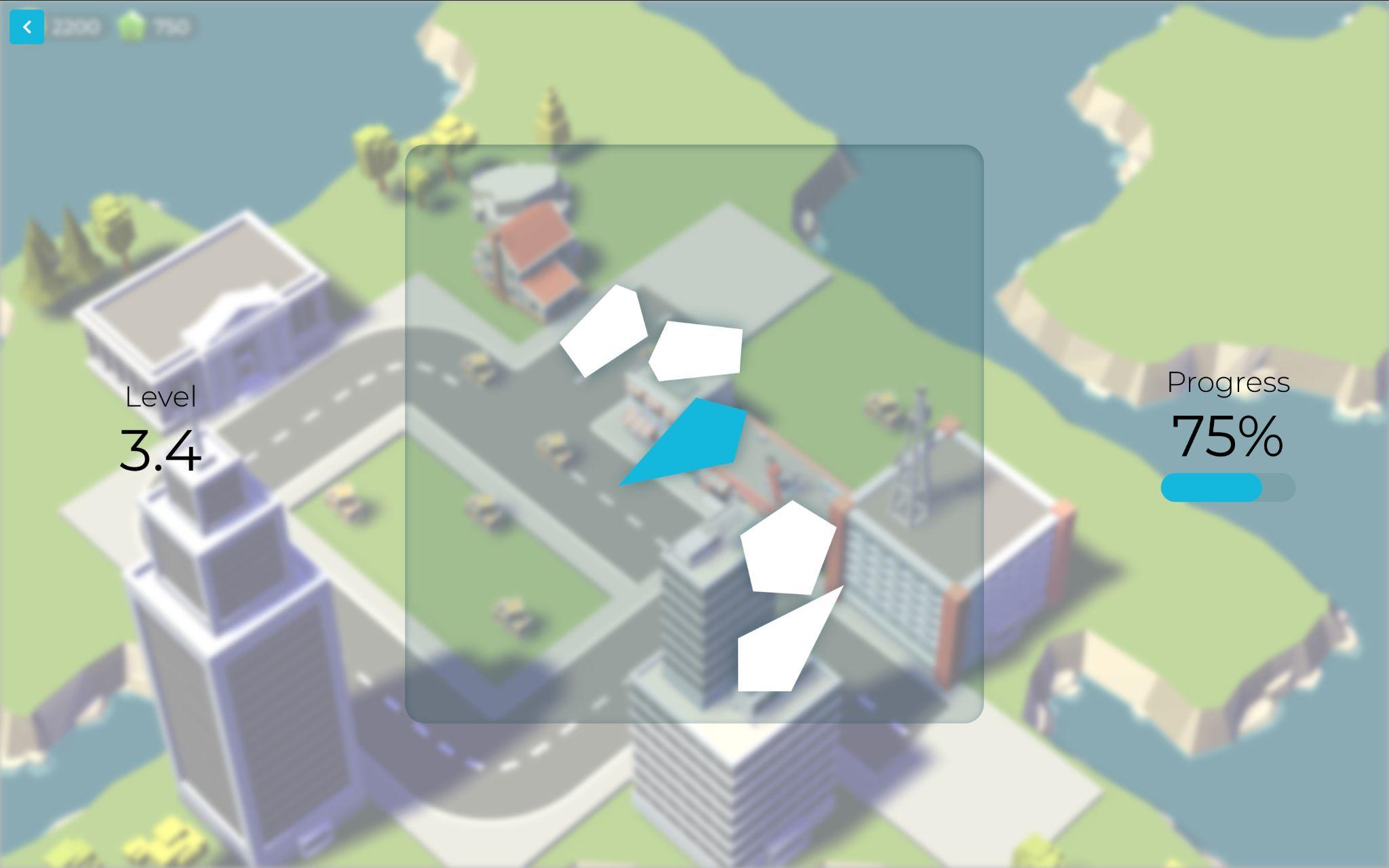
The difficulty adapts automatically to give every student the right challenge.
WHAT TEACHERS SAY
“
More students have started to concentrate better.
It’s so simple and intuitive — the students have been able to use it on their own.
The sessions have been quiet and focused.
Feedback from teachers
Nuroe School is used in local-authority and independent schools in Sweden, from primary through lower secondary school.
GOOD TO KNOW
Frequently asked questions.
Is it for the whole class?
Yes. Students train at the same time, with difficulty adapting to each student’s performance. The exercises don’t require any specific language skills or subject knowledge.
How much time does it take?
The programme involves 15–20 minutes of training each school day for eight weeks. Before you start, we also plan teacher onboarding, timetabling and follow-up.
What equipment do we need?
Students train in a web browser on a computer or tablet. We’ll review your school’s technical setup before implementation.
I’m a headteacher or teacher. How do I take this forward?
Get in touch. Nuroe School is designed for a coordinated rollout through your local authority or school group. We can start by discussing the research, your schools’ needs and how to take the conversation forward with the organisation responsible.
How is student data handled?
Before rollout, we review personal data, storage, access and responsibilities with your local authority or school group. The technology complies with GDPR, and data is stored in the EU.
NEXT STEPS
Ready to introduce Nuroe School across your organisation?
Book a meeting to see the training in action and explore how to introduce working memory and attention training across your schools.